

About the Exhibition:
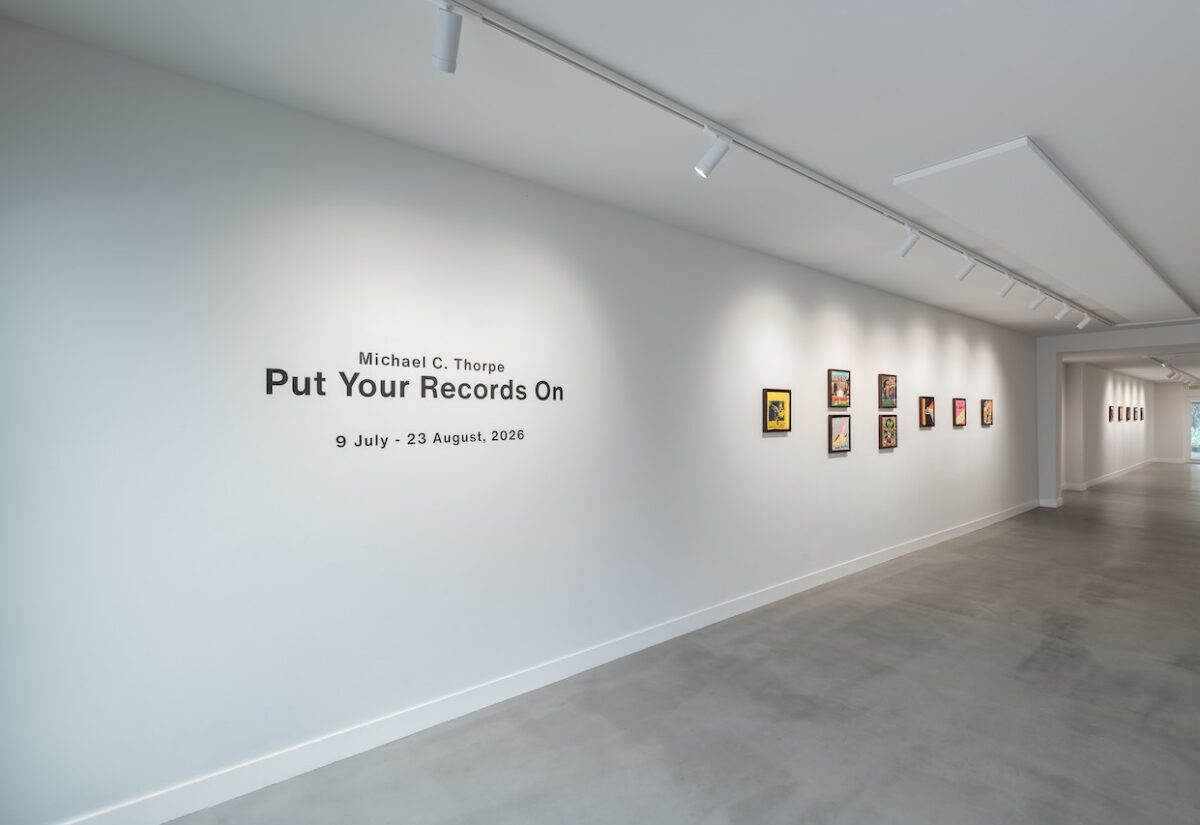
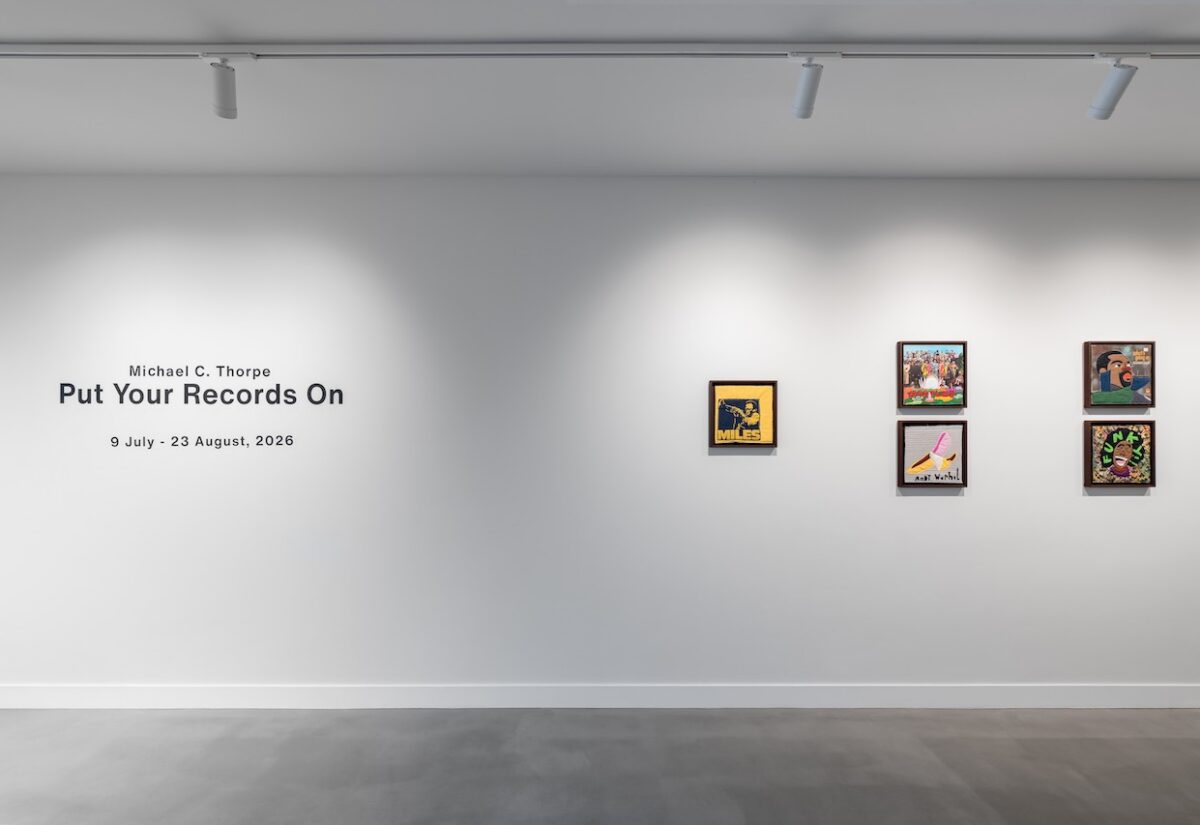
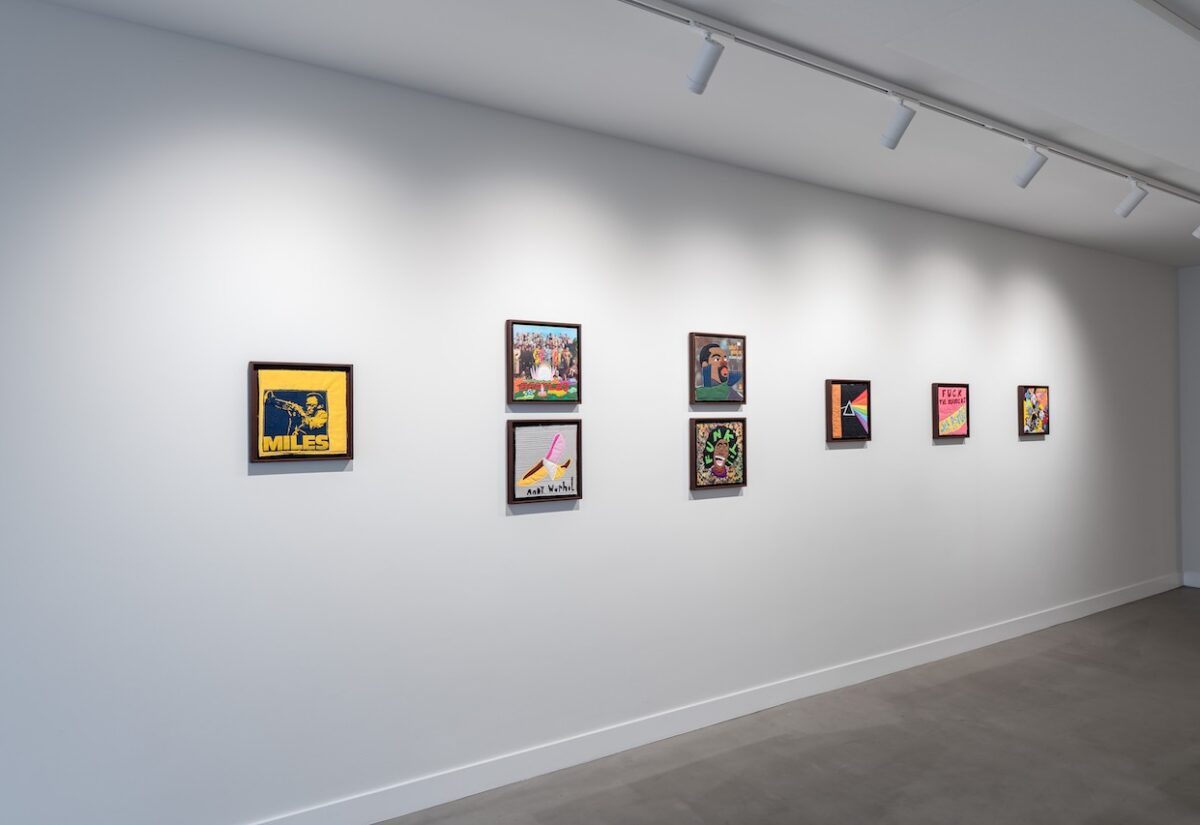
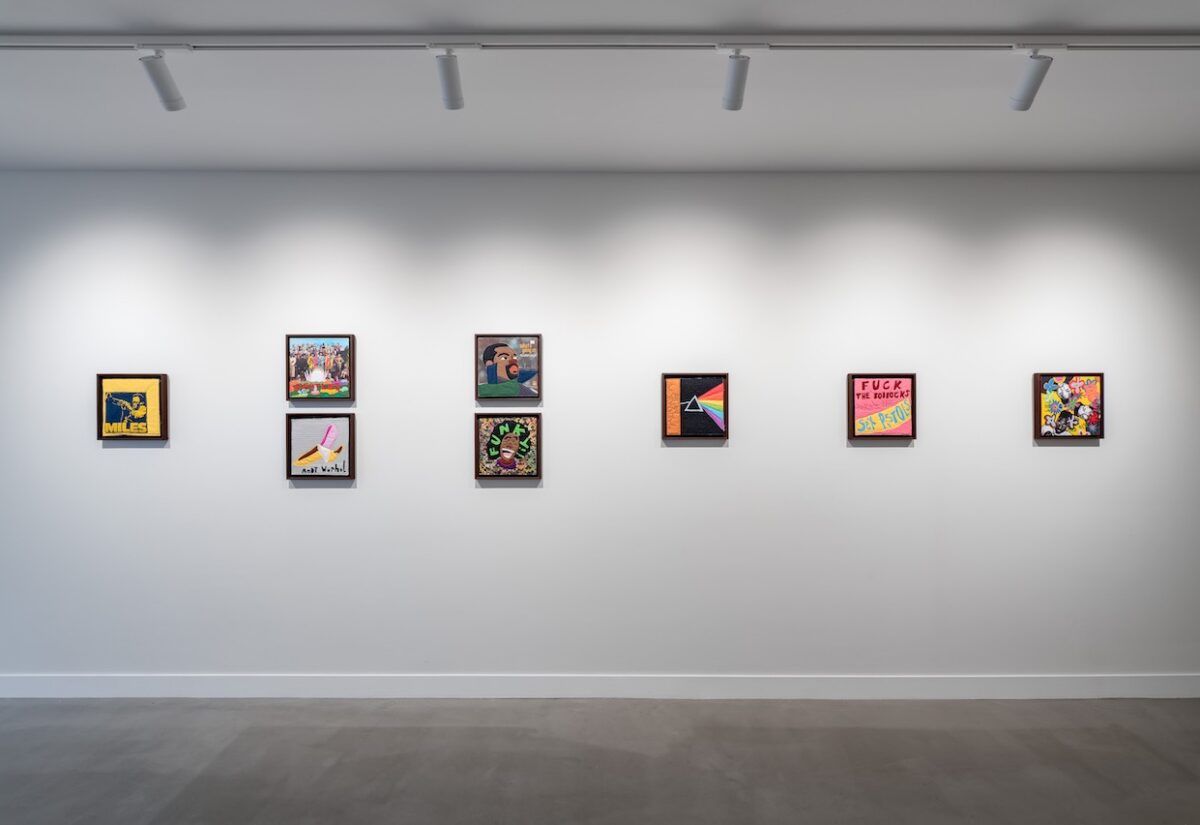
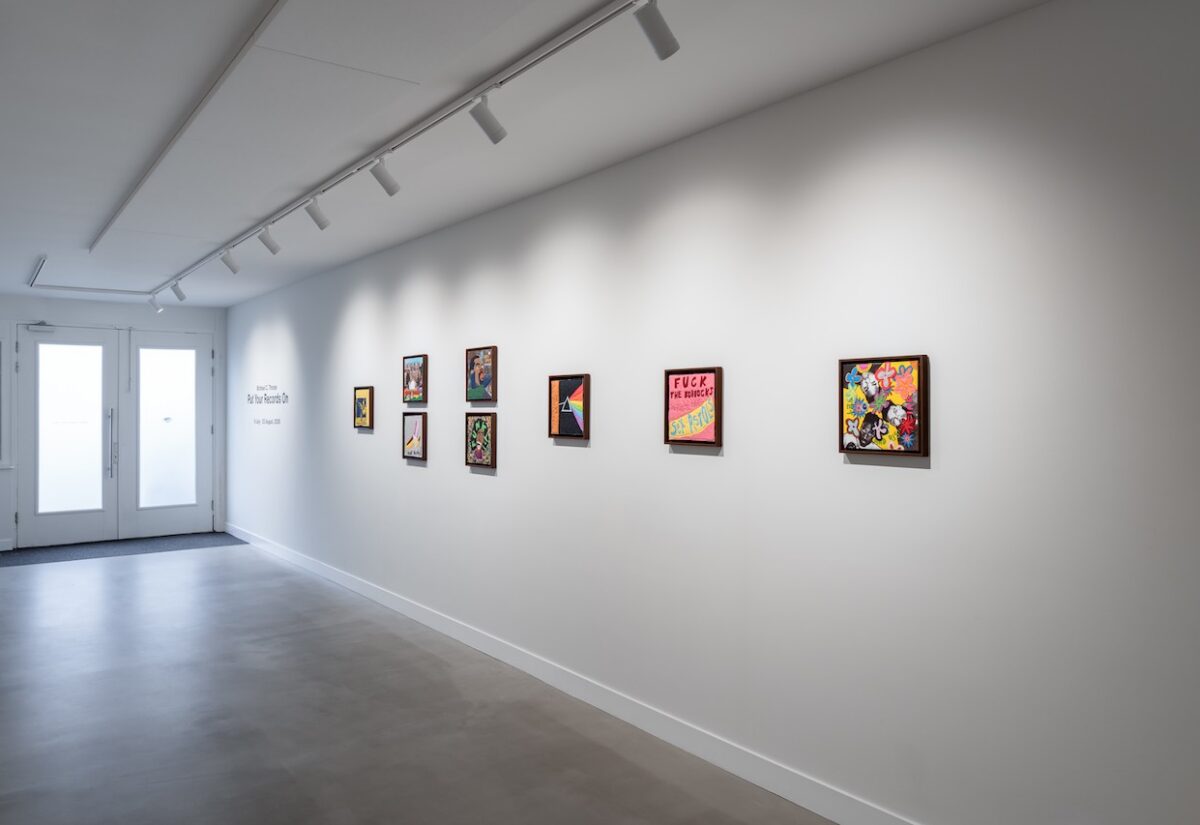
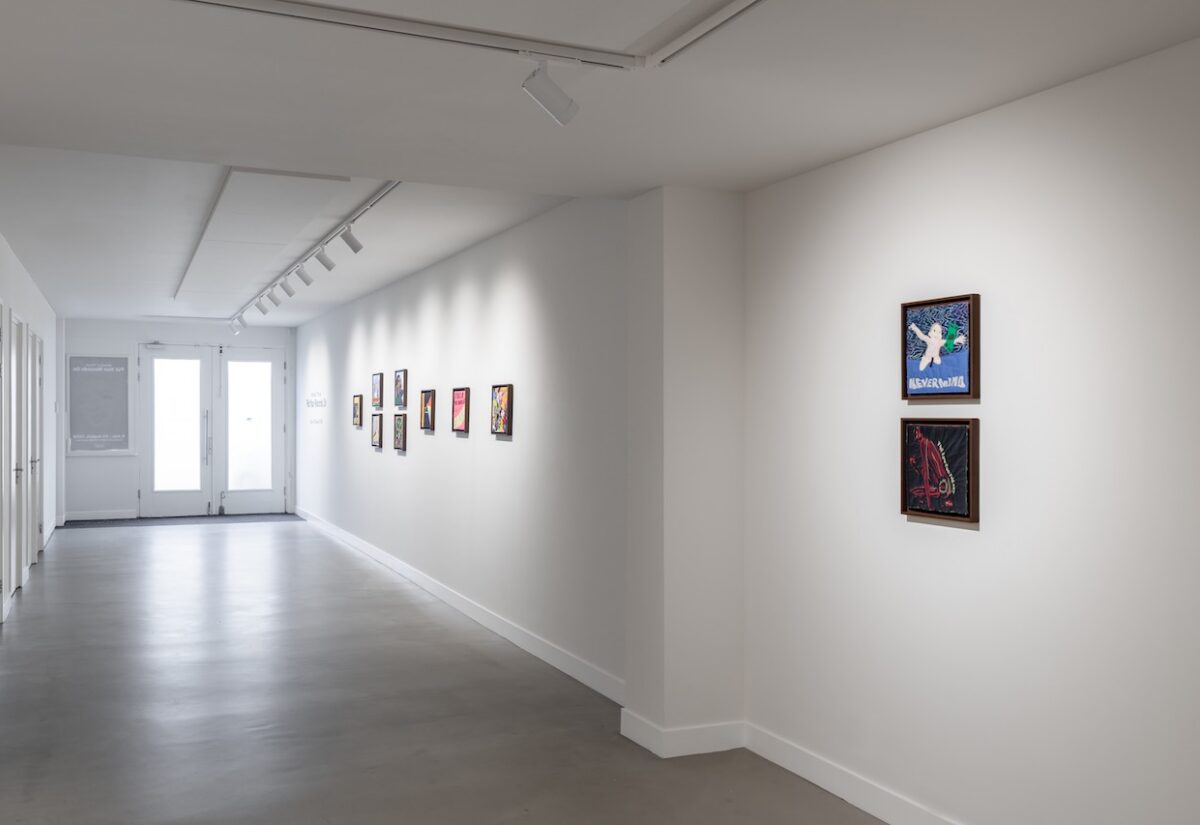
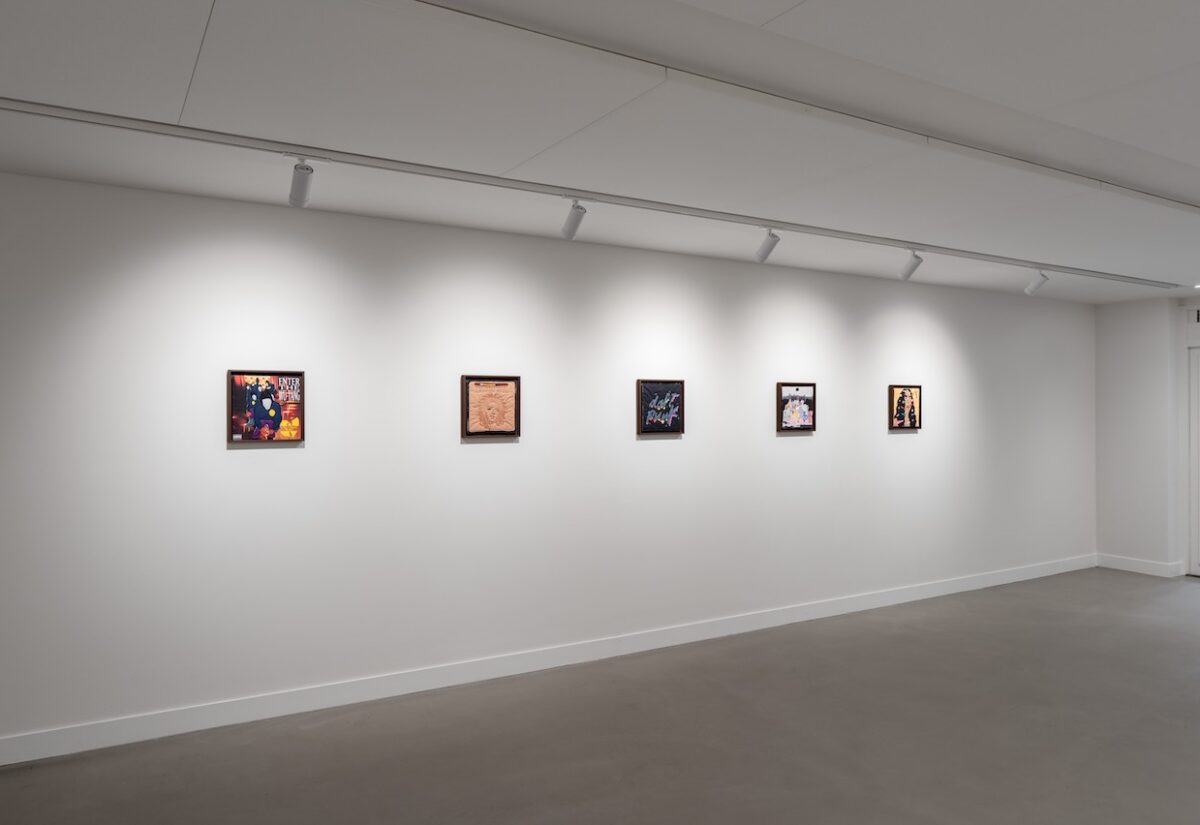
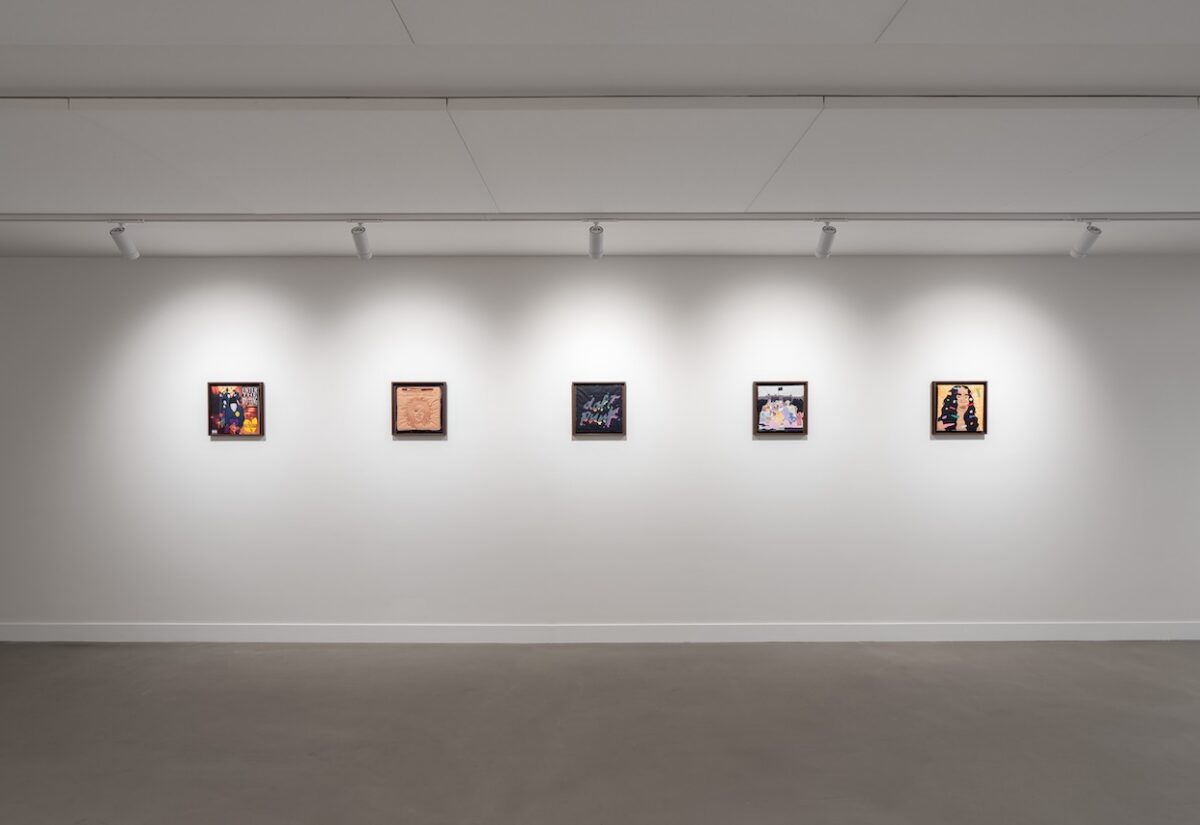
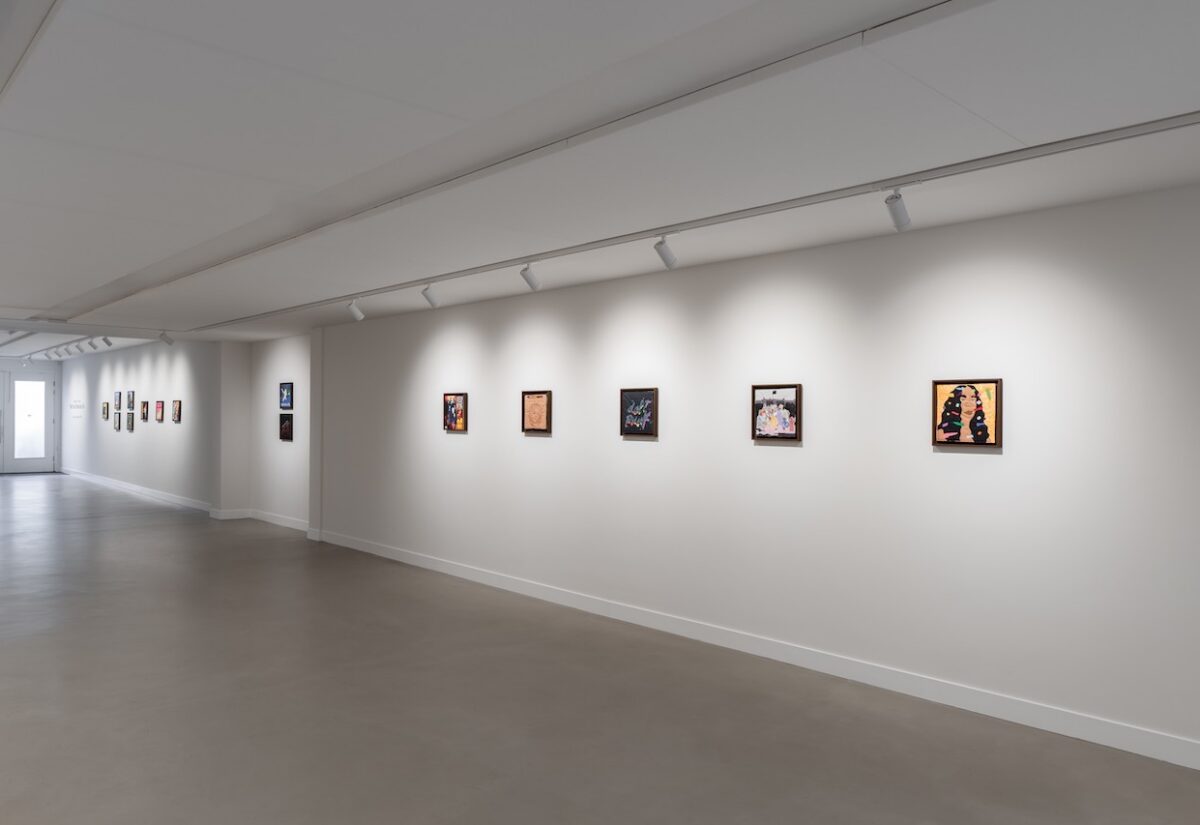
Put Your Records On is a solo exhibition of works by Michael C. Thorpe. Thorpe quilts into painterly territory, where textile processes converge to form layered and composite works. His compositions unfold as vibrant, collage-like worlds—vividly shaped and energized by a tangible sense of dynamism.
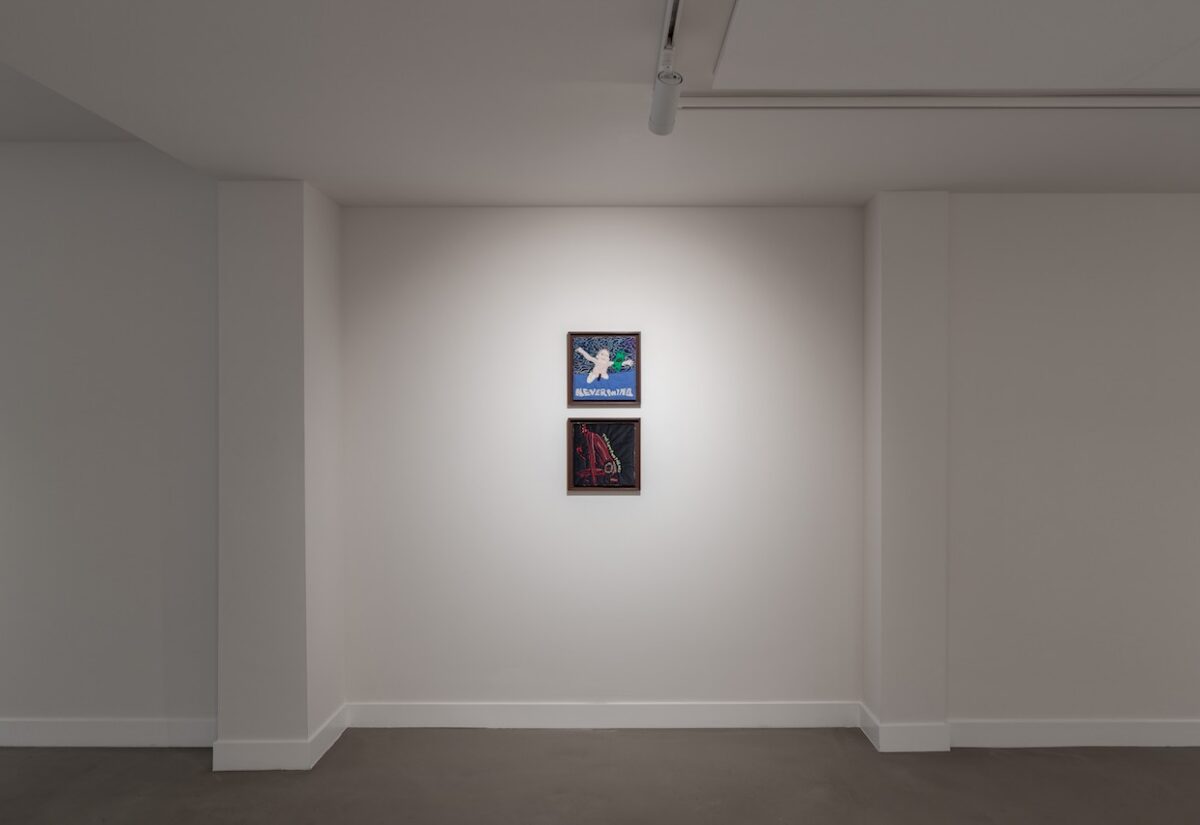
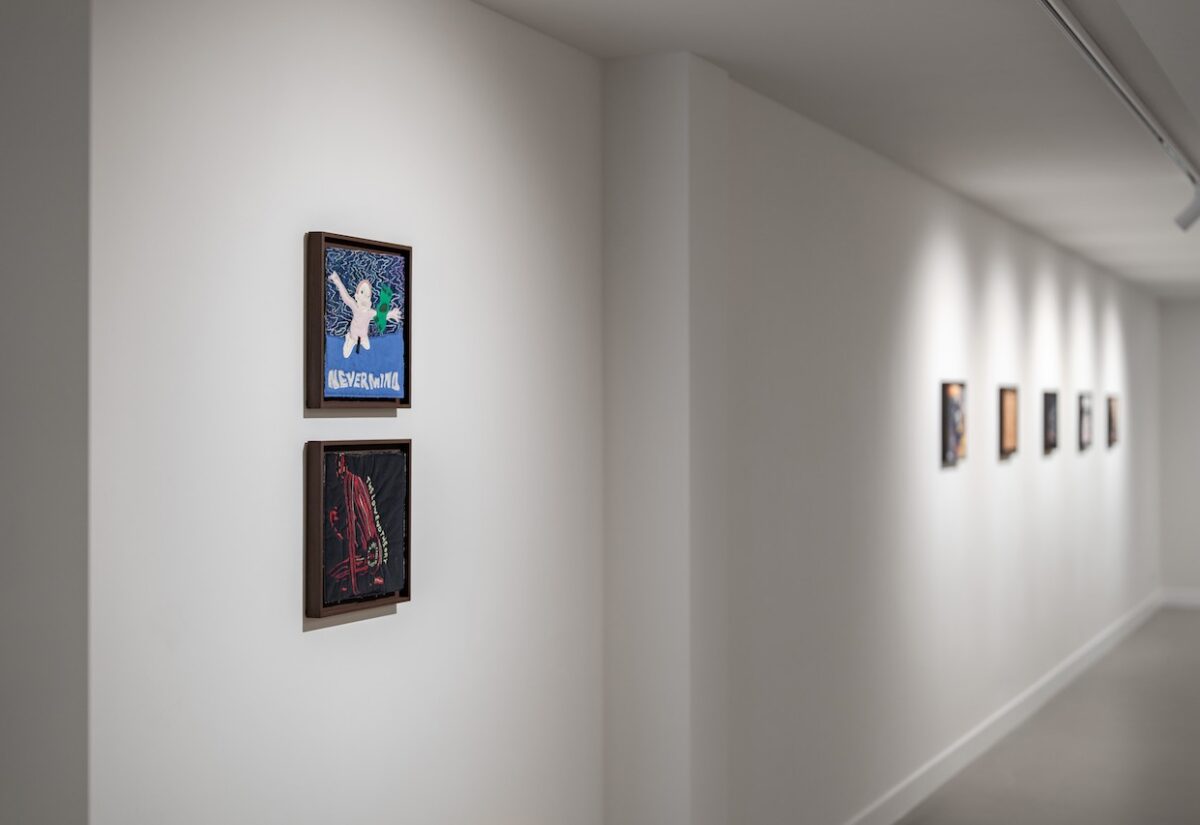
In this series, Thorpe draws inspiration from iconic vinyl record covers as visual gateways into the musical and cultural worlds they represent. These sleeves function as threshold objects, inviting viewers to move between image and sound, where the auditory is translated into the visual.
Thorpe gradually developed the strong appreciation for music that now informs his work. During a weekend spent in the woods with close friends, he was introduced to the warmth, depth, and tactile presence of vinyl records. The experience opened up a new way of listening and sparked a lasting fascination with the medium. Back home, Thorpe transformed his living room into a listening space, beginning a daily ritual of playing a different record each morning and responding to it through drawing. Working on square sheets of paper that coincidentally measured the same 12-by-12-inch dimensions as a record sleeve, he created visual interpretations of the music he was hearing. Each drawing became an experiment: he might add color, reduce the composition to abstract lines, or focus solely on text. The format’s simplicity opened up endless possibilities, echoing the spontaneity that underpins his practice.
His stitched assemblages mirror the logic of musical sampling, in which fragments are recombined into new wholes. In doing so, the record cover becomes a visual analogue for both music and quilt. Working intuitively, Thorpe allows each stitch to shape the next. Through stitched lines, fabric shapes, and rich textures, Thorpe transforms iconic album covers into tactile narrative works. Rooted in themes of memory, identity, and community, these textile compositions explore how music becomes intertwined with personal experience and collective history.
In Thorpe’s practice, quilting moves beyond its traditional associations with craft to become a dynamic and contemporary painterly medium. Inherited through generations of women in his family and deepened by his encounter with the quilters of Gee’s Bend, the practice connects him to a broader African American lineage of making. Within this context, Thorpe approaches vinyl record covers not as commercial packaging, but as objects of cultural, material, and narrative significance. Put Your Records On is an exhibition about what remains in circulation long after the music ends: memory, connection, and the stories we pass on to one another.